



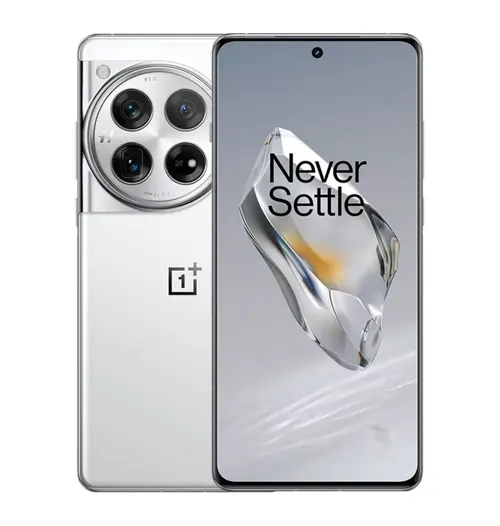

When OnePlus first launched into the phone market in 2014, not many thought it would live much less contend against industry behemoths Samsung, Apple, and Xiaomi. With its brash Never Settle slogan, OnePlus immediately captured the attention of tech enthusiasts all around. From a hazardous startup distributing phones via invitation-only channels, what began as a risky business has grown to be a worldwide brand with a broad product line.
Examining its past, ideas, products, software experience, and future course, this post demonstrates how OnePlus changed customer expectations in the smartphone sector.
Start of OnePlus
Beginning OnePlus in December 2013 were two ex- Oppo managers, Pete Lau and Carl Pei. Though ambitious, their objective was clear: create a phone with superior performance, high-end aesthetics, and a basic user experience free from the outrageous expense often associated with luxury smartphones.
Then the smartphone market was defined by pricey premium phones and low-cost, low-capacity phones. At a reasonable price, OnePlus recognized an opening for excellent gear.
Starting Point: OnePlus One
In 2014, OnePlus launched its first smartphone, the OnePlus One, branding it as a “flagship killer.”. With premium features including a Snapdragon CPU, lots of RAM, and a big Full HD display, the phone ran approximately half the price of equivalent hardware in rival products.
CyanogenMod, a sleek and adaptable Android-based operating system, was also unveiled for power users. OnePlus generated significant attention on a small ad spending with an invites-only buying plan and ongoing promotion.
Following this was Almost fast started a cult group.
Design and Build Development
Early OnePlus phones put performance ahead of premium materials, therefore sacrificing them occasionally. Over time, the brand evolved its design lexicon from plastic backs to metal frames, glass surfaces, and curved displays.
Recent OnePlus designs feature:
• Slim bezels and fine glass constructions
• Displays AMOLED with a great refresh rate
• Ergonomics and durability consciousness
Although OnePlus phones now look more like classic flagships, they still have a basic design identity that distinguishes them from overflashy rivals.
OnePlus's Software Trademark: OxygenOS
Always among OnePlus's strongest points has been OxygenOS, their proprietary Android skin. Unlike highly altered user interfaces, OxygenOS emphasizes:
• Speed and reaction
• Experience with Android almost stock
• Effective personalizing sans bloatware
OxygenOS is renowned among Android users for its features including Zen Mode, custom gestures, Always-On Display upgrades, and fluid motions.
Long-term fans responded differently as OxygenOS started using more ColorOS code after OnePlus joined forces with Oppo. Although performance is still excellent, some users find the program has lost some of its original clarity.
Hardware Superiority and Performance
Performance has always been given first priority by OnePlus. Most flagship models feature:
• Top-level Snapdragon processors
• Quick LPDDR RAM
• High-speed UFS storage
This emphasis on absolute speed led power users and gamers to particularly appreciate OnePlus phones. Many OnePlus devices are still quick and reactive after years of use, evidence of great optimization.
The brand also helped fast charging technology become well-known by introducing features such Warp Charge, which lets consumers quickly charge their phones without too much heat.
Camera Trip: From Weak Spot to Competitive Edge
The camera was long thought of as the weakest link for OnePlus. OnePlus trailed others in investment in computational photography; others did.
That altered with significant camera technology investments including color tuning partnership with Hasselblad. Modern OnePlus phones provide:
• Better low-light photography
• Finer color science
• Improved portrait and video performance
Although they still lack the absolute best camera phones, OnePlus cameras have become more than acceptable for content creators and casual users.
Growing Beyond Phones
OnePlus is not only a mobile phone company. The company grew over the years to include:
• OnePlus Nord line for mid-range consumers
• Wireless audio equipment and OnePlus Buds
• OnePlus Watch and wearables
• Smart TVs in certain areas.
Particularly the Nord line showed a strategic change that brought OnePlus' design and software expertise to more inexpensive market sectors.
Marketing Driven by Communities
OnePlus's success was based on community involvement instead than on conventional marketing. Products were shaped mostly by forums, feedback systems, and beta testing.
This intimate connection with users enabled OnePlus to:
• Fast correct bugs.
• Early testing of new features
• Develop brand loyalty.
OnePlus still has an engaged community where consumers provide ideas and talk about product improvements.
Difficulties and Criticism
Though it is successful, OnePlus has come under attack recently:
• Rising costs departing from their "flagship killer" roots.
• Some models' software upgrades are getting slower.
• Reduced differentiation after closer integration with Oppo
These challenges have forced OnePlus to balance mass-market appeal with its enthusiast origins — a difficult task in an increasingly competitive market.
OnePlus in today's mobile market
OnePlus directly challenges premium companies today rather than undercutting them. Its phones now firmly belong in the flagship class, providing:
• Premium equipment
• Excellent execution
• Reliable software experience
Although pricing has gone up, OnePlus nevertheless presents itself as a company valuing speed, user experience, and deliberate design.
OnePlus's Future
Looking forward, OnePlus will be determined by its ability to juggle creativity with identity. Among the regions most likely to influence its following phase are:
• Functions supported by artificial intelligence
• Improved camera optimization
• Longer software support cycles
• More thorough integration of ecosystems
Provided OnePlus keeps its performance-first attitude and adjusts to shifting consumer expectations, it has the possibility to stay a dominant player in the Android world.
Last Sentences
One of the most intriguing narrative in the mobile phone sector is OnePlus's path from a little business to a world-class technological behemoth. OnePlus became famous among the major companies by questioning norms, paying attention to clients, and pushing performance limits.
Although the brand has changed—and not without controversy—its core concept is still accurate: offering a quick, faultless, high-quality experience without compromise. Whether you're a seasoned lover or a beginner, OnePlus is still a firm to monitor.



Write your comment