



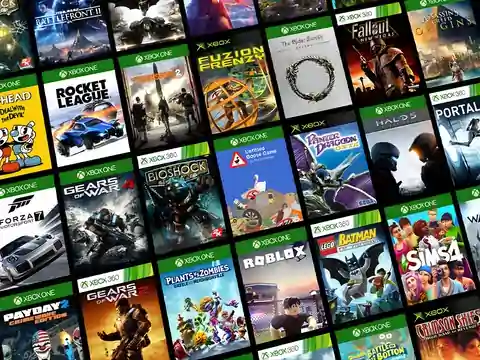

The Xbox 360 defined the golden age of video games. The front of online multiplayer arrived with mainstream; millions of people were exposed to digital game libraries via it; achievements came from it. From indie hits like Fez and Braid to Halo 3 and Gears of War, the Xbox 360 age left behind a legacy that impact video gaming. Hundreds of Xbox 360 games have been removed from the Xbox Store over years, so suppressing their online acquisition. These omissions have challenged digital ownership, game preservation, and future vintage title accessibility.
The Delisting phenomenon
Delisting a game bars it from the digital shop, therefore stopping possible purchases by gamers. Typically, those already owning the game will download and play it; however, new clients are restricted. One of the most affected systems, the Xbox 360 is among those most often delisted.
Modern events, backward compatibility, and Game Pass have drawn focus away from the Xbox 360's enormous digital library. Technical limits, meanwhile, have rather little impact on the delisting of 360 games.
It is instead a legal, financial, and practical issue—a combination of publisher goals, out-of-date support systems, and expiring licenses.
The reason that Xbox 360 games are being delisted
The 360 games disappear for several reasons
1. Licensing and rights expiration
Expired licenses most often account for the cause. Particularly for those using real businesses, music, or images, many games are accepted for a brief duration. Publishers would either re-release the game for a charge or permanently remove it upon the expiration of the license. Games like Forza Horizon 2, Tony Hawk's Pro Skater HD, and Scott Pilgrim vs. The World: The Game vanished for this reason once their deals lapsed.
2. Server shutdowns and multiple closures
Certain titles reflect online elements quite a lot. Generally, publishers remove the digital edition since they deem it to be unsupported or insufficient after multiplayer servers are turned off. Several EA Sports games and racing games like Blur or Grid 2 were pulled from market after their online features were disabled.
3. Ownership Changes and Publisher Mergers
Many games left in legal purgatory have resulted from mergers, closings, or acquisitions of developers and publishers over time. It's easier to withdraw a title from sale if ownership of its rights is uncertain—or if the new owner has no desire in keeping an older title.
4. Platform Evolution and Maintenance of Storage
Microsoft has started to phase out older systems as the Xbox 360 Store is getting older. Compatibility or technical problems have prevented the transfer of some games to the more recent Xbox consoles.
The disappearing library
The Delisted Xbox 360 game list is quite extensive and expanding. Among the favorite games the store has lost are:
• Teenage Mutant Ninja Turtles
• Out of the Shadows
• Marvel vs. Capcom 2
• OutRun Online Arcade
• After Burner Climax
Additionally vanishing for a brief period as a result of licensing concerns were some fan favorites including:
• Castle of Illusion Starring Mickey Mouse
• DuckTales Remastered
Microsoft revealed in early 2024 that dozens of iconic Xbox 360 games—including Assassin's Creed Liberation HD and Jet Start Radio and Left 4 Dead. Among players worried that bits of gaming history were being removed, this wave of removals set off anger and grief. Microsoft told users that titles bought previously would remain playable, but for many it felt as a caution that the Xbox 360 digital age was close.
The impact on Players and preservation
The delisting problem is about ownership and preservation, not only about nostalgia. Those who bought digital libraries thought they were getting ongoing access to their favorite games. It emphasizes, however, the fragile character of digital ownership when titles disappear. Unlike physical discs, digital purchases rely on store availability, licensing, and company decisions.
Delisting presents a great obstacle for collectors, archivists, and preservationists. Fans frequently turn to used discs or even piracy in quest of classic titles without lawful means to get them. Tracking every delisted game and recording when and why it vanished, some communities have set up internet archives.
Better preservation initiatives have been demanded by groups like the Video Game History Foundation and proponents inside the gaming sector. Games should be preserved as cultural artifacts much as movies, books, and music are, they argue. Still, many Xbox 360 games run the risk of vanishing to time without corporate actions by Microsoft.
Microsoft's stance on Delisted Games
Microsoft deserves praise for its relentless attempts to preserve Xbox legacy elements. Offered for the Xbox One, the Backward Compatibility Program enables more contemporary gadgets to play numerous Xbox 360 games. Included among the almost 600 works this project has already released are big hits Red Dead Redemption and Fallout 3.
Backward compatibility only works, though, when a game was published before to being deleted. Microsoft cannot re-release a product after it leaves the store until it settles any legal or licensing concerns it has. Though the firm has declared its intent to maintain digital access, the great number of third-party publishers and ancient contracts complicate total preservation.
How Game Pass and Digital Libraries Interact
This underlines a more general problem in the business: the move toward subscription-based and streaming-based gaming. Digital ownership is progressively substituted by temporary access paradigms as businesses advance cloud solutions like Xbox Cloud Gaming and Game Pass Ultimate. As long as players keep a subscription, they rent their games rather than "own" them.
The Human Side of the story
For many gamers, Xbox 360 games bring back memories: late-night grinding in Call of Duty: Black Ops 2, pals assembling to play Halo, or On Xbox Finding original indie works live in the Arcade. Every delisted title stands for experiences lost as well as lost code.
Developers also see the effect. Often, smaller studios that produced cult hits in the 360 era see their creations disappear without trace, therefore wiping away years of labor. Their games lack viewership and cultural awareness without digital access.
Delisted Games: Can They Come Back?
Delisted games sometimes do come back. Regrettably published after years of fan demand, Scott Pilgrim vs. The Game DuckTales Remastered and Castle of Illusion also came back once licensing issues were resolved. These pictures illustrate how rehabilitative care is attainable yet reliant on fan demand, regulatory backing, and publisher attention.
Microsoft has demonstrated willingness to bring back former titles, when possible, especially through remasters or alliances. But as more licenses expire and time goes by, the chances of large-scale recovery decrease.
What gamers can do
Fans can preserve access to their preferred titles even though they have no influence over corporate policy or licensing rules:
• Download owned games
Make sure all purchased Xbox 360 games are downloaded or backed up to the console or outside drive.
• Support physical media
Purchase disc versions of games as they are resistant to delisting when practical.
• Voice support for preservation
On social media, interact with businesses and developers to make clear the need of re-released delisted games.
• Use Backward Compatibility
Play conserved 360 titles on contemporary hardware by using Microsoft's compatibility program.
The future of Xbox ‘s Legacy
The Xbox 360's digital era was revolutionary, changing how players buy, save, and enjoy games. But it also introduced fresh shortcomings—ones that with time are getting even more clear. The expanding list of delisted Xbox 360 games reminds us that digital comfort has a cost.
The lessons from the 360 era grow ever more relevant as the sector develops toward all-digital consoles and cloud gaming. Preservation is an ethical issue rather than merely a technical one. Games are a component of our cultural and artistic past; they are not merely commodities. Losing them means giving up a portion of gaming history itself.
Microsoft and other big publishers are at a crossroads choice. Will they see delisted games as disposable digital material or as art worthy of preservation? How future generations remember the golden age of video games will be formed by the answer.
Millions still keep the Xbox 360's legacy alive even if it was formally phased out years ago. Whether that legacy endures depends on our response to the rising issue of delisted games as both players and businesses alike. Should the gaming industry learn from this, maybe the next generation would not have to observe its digital past fade one title at a time.



Write your comment